The Fundamental Legal Differences Between Furnished and Unfurnished Rental
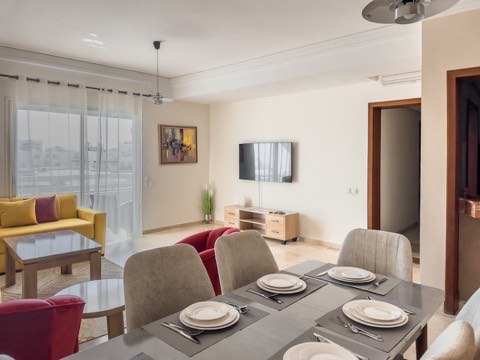
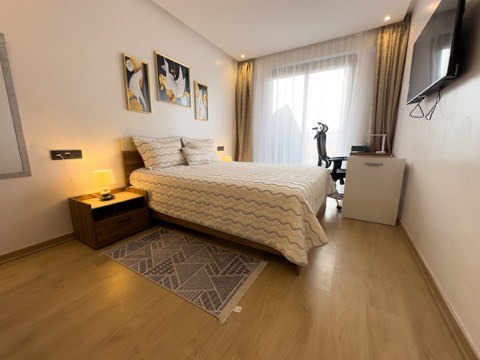
In Morocco, the distinction between furnished and unfurnished rental is not as clearly codified as it is in France for example, but Law 49-16 introduces important differences. Unfurnished rental is defined as making a property available without furniture, with the tenant providing their own belongings. Furnished rental is where the property is made available with sufficient furniture to allow the tenant to live there without having to bring their own. The minimum furniture threshold is not precisely defined by law, leaving some room for interpretation, but case law tends to require at a minimum: a bed with bedding, a table and chairs, functional kitchen equipment, and storage space.
The major legal difference lies in the tenant protection regime. For unfurnished rental, Law 49-16 offers strong tenant protection regarding renewal and termination: the landlord can only reclaim their property at the expiry of the lease and under strict conditions such as personal need, sale of the property, or a legitimate and serious reason. For short-term furnished rental of less than 90 days, the rules are more flexible and closer to a service provision contract, with greater contractual freedom for both parties. Long-term furnished rental of more than 12 months remains subject to Law 49-16 with tenant protection similar to unfurnished rental.
Comparison of Tax Regimes: Furnished vs Unfurnished
From a tax perspective, furnished rental in Morocco has important distinguishing characteristics. When carried out on a repeated basis with associated services such as cleaning, household linen, and reception, it may be classified as a para-hotel activity, which is a commercial activity subject to VAT and to income tax in the category of professional profits rather than property income. This classification is advantageous because it allows for more expense deductions and for the depreciation of furniture and equipment over their useful life, thereby reducing the taxable base.
Unfurnished rental generates property income subject to income tax with a flat-rate allowance of 40% on gross income for management, insurance, and maintenance costs. Furnished rental without significant associated services can also be treated as property income, but with the option to deduct actual expenses rather than the flat-rate allowance if this proves more advantageous. There is currently no Moroccan tax regime specifically analogous to the French LMNP status, but several reform proposals have been discussed in Moroccan tax circles to create a dedicated framework for furnished tourist rental.
Which Choice for Property Owners in Agadir in 2026?
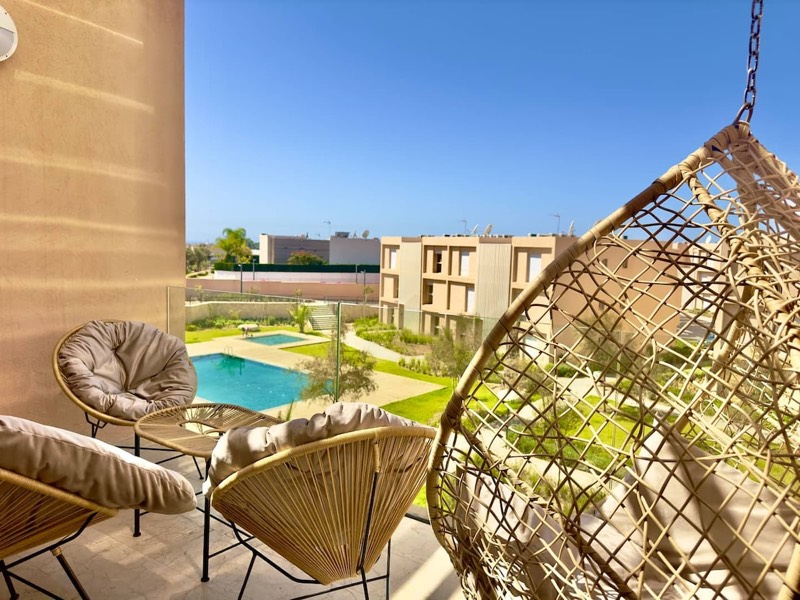
For a property owner in Agadir seeking to maximize rental income, short-term furnished rental through platforms like Airbnb or Booking offers far superior economic advantages to long-term unfurnished rental. A well-managed furnished apartment on the Agadir seafront can generate between 60,000 and 120,000 MAD in gross annual income from short-term rental, compared to 36,000 to 72,000 MAD for the same floor area in long-term unfurnished rental. This yield difference is partially offset by higher management costs and non-guaranteed occupancy, but the gap remains in favor of furnished tourist rental in prime locations.
The decision between furnished and unfurnished must however incorporate other parameters: your risk tolerance and tolerance for vacancy, your availability to manage turnovers or the need to delegate to a concierge company, your overall personal tax situation, and your investment horizon. For a non-resident owner seeking passive management with no constraints, long-term unfurnished rental remains a stable and low-maintenance option.